Tag: https://boss29.news

Understanding The Main Stages Of A Baccarat Round
Baccarat is renowned for its straightforward gameplay, yet every single hand follows a strictly defined sequence of events. Understanding how a single round progresses allows players to observe the table action with greater confidence and clarity. By breaking down each phase, from placing initial bets to calculating final hand totals, players can easily appreciate the structured flow of this classic casino game.
The Initial Betting Phase
Before any cards are drawn from the shoe, participants must choose where to place their wagers. Players select between three primary options: the Player hand, the Banker hand, or a Tie result. This betting window closes promptly once the dealer announces that no more bets can be accepted for the current round.
Making a decision quickly and calmly ensures a smooth rhythm at the table for everyone involved. Many enthusiasts prefer accessing gaming platforms via a secure boss29 login to monitor live statistics before placing their wagers. Regardless of where you play, managing your bankroll during this initial phase sets the tone for a disciplined gaming session.
Dealing the Opening Cards
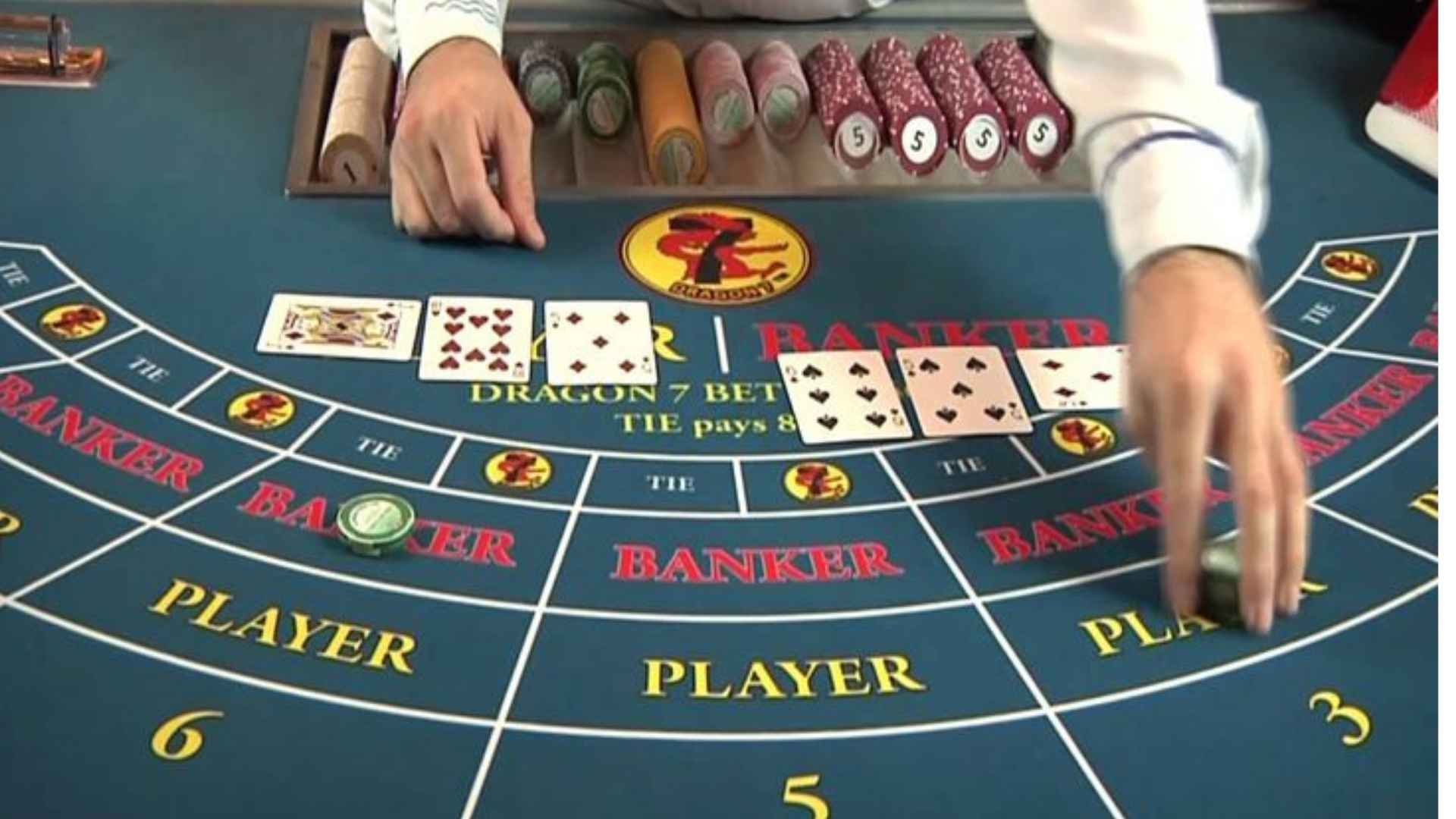
Once the betting phase ends, the dealer begins distributing the initial set of playing cards. Two cards are dealt face-up to the Player position and two cards to the Banker position. These four cards form the baseline score for each side of the table.
Values are immediately summed up using standard baccarat card values, where face cards count as zero and aces count as one. If either hand achieves a total of eight or nine, it is declared a natural win. A natural hand instantly stops the round, preventing any additional card draws and moving the game directly to the payout stage.
Evaluating the Third Card Rule
If neither hand holds a natural total, the round transitions to evaluating predetermined card drawing rules. The Player hand always acts first, automatically drawing a third card if its initial score is five or lower. If the Player hand stands on a six or seven, the Banker hand then draws based on its own total.
When the Player does take a third card, the Banker hand follows a specialized set of fixed rules to determine its next move. This stage requires no decision-making from the players themselves, as the dealer executes all actions strictly according to house rules. Understanding these automatic rules helps observers follow along without any confusion.
Final Scoring and Settlement
After all drawing possibilities are exhausted, both hands reach their final totals by dropping the tens digit of any sum exceeding nine. The hand with a final total closest to nine wins the round. If both sides end up with identical totals, the round concludes in a Tie outcome.
The dealer then clears losing wagers from the layout and pays winning bets accordingly. Banker wins typically include a small house commission, which is calculated and settled before the next round begins. Once payouts are complete, the table resets for a brand new round, maintaining the steady pace that defines baccarat.
The Psychology Behind Automatic Poker Decisions
In high-stakes poker, players often encounter situations where decisions appear to be made instantaneously without conscious deliberation. These automatic poker decisions are driven by cognitive processes that transform complex calculations into swift, instinctive reactions. Understanding the psychology behind these sub-second choices reveals how experience shapes the brain's internal decision-making engine.
The Role of Heuristics in Rapid Decision Making
Experienced poker players rely heavily on cognitive heuristics, which function as mental shortcuts developed over thousands of played hands. These mental frameworks allow a player to immediately recognize recurring board textures and betting patterns without analyzing every variable from scratch. Consequently, intuitive choices often mirror the precision of deliberate, time-consuming mathematical calculations.
While heuristics streamline performance under tight time constraints, they also introduce subtle cognitive risks. Over-reliance on mental shortcuts can cause a player to overlook unique details in an opponent's behavior or dynamic table context. Balancing rapid intuition with occasional active deliberation remains essential for maintaining long-term tactical accuracy.
Pattern Recognition and Subconscious Processing
The human brain excels at identifying subtle environmental signals and storing them as recognizable patterns for future use. In a live or online card session, subconscious processing evaluates pot odds, stack sizes, and positional dynamics before the conscious mind fully registers the situation. This subconscious synthesis allows skilled competitors to fold or raise almost automatically when standard conditions are met.
Many players refine their subconscious pattern recognition by reviewing past hands and exploring modern digital platforms via boss29 login to gain analytical exposure. Exposure to diverse strategic scenarios conditions the mind to react instinctively when familiar setups reemerge at the table. Over time, deliberate practice turns once-complex strategic concepts into effortless mental habits.
Managing Cognitive Load During Extended Sessions
Mental fatigue gradually degrades a player's capacity for deep, analytical thought as table hours accumulate. Automatic decisions conserve vital mental energy by transferring routine actions away from the high-effort prefrontal cortex. By automating standard plays, competitors reserve their maximum cognitive power for highly complex, non-standard tournament spots.
However, running on cognitive autopilot for extended periods can leave a player vulnerable to rigid and predictable playstyles. Adaptable opponents quickly notice when someone is making mechanical moves without adjusting to changing game flow. Successful players periodically reset their focus to ensure that automatic habits remain aligned with overall strategic goals.
Overcoming the Pitfalls of Mindless Habits
An automatic decision is only as reliable as the underlying training that created the impulse in the first place. Bad habits formed through unexamined gameplay can become deeply ingrained sub-conscious reactions that lead to persistent leaks. Correcting these flawed instincts requires deliberate off-table study to systematically re-wire automatic responses.
Refining one's default choices ensures that high-speed reactions remain rooted in sound strategic principles rather than emotional impulses. When players continuously audit their default plays, their automated decisions remain sharp, efficient, and consistently profitable. Ultimately, mastering automatic poker choices bridges the gap between raw analytical knowledge and fluid execution.