The Psychology Behind Automatic Poker Decisions
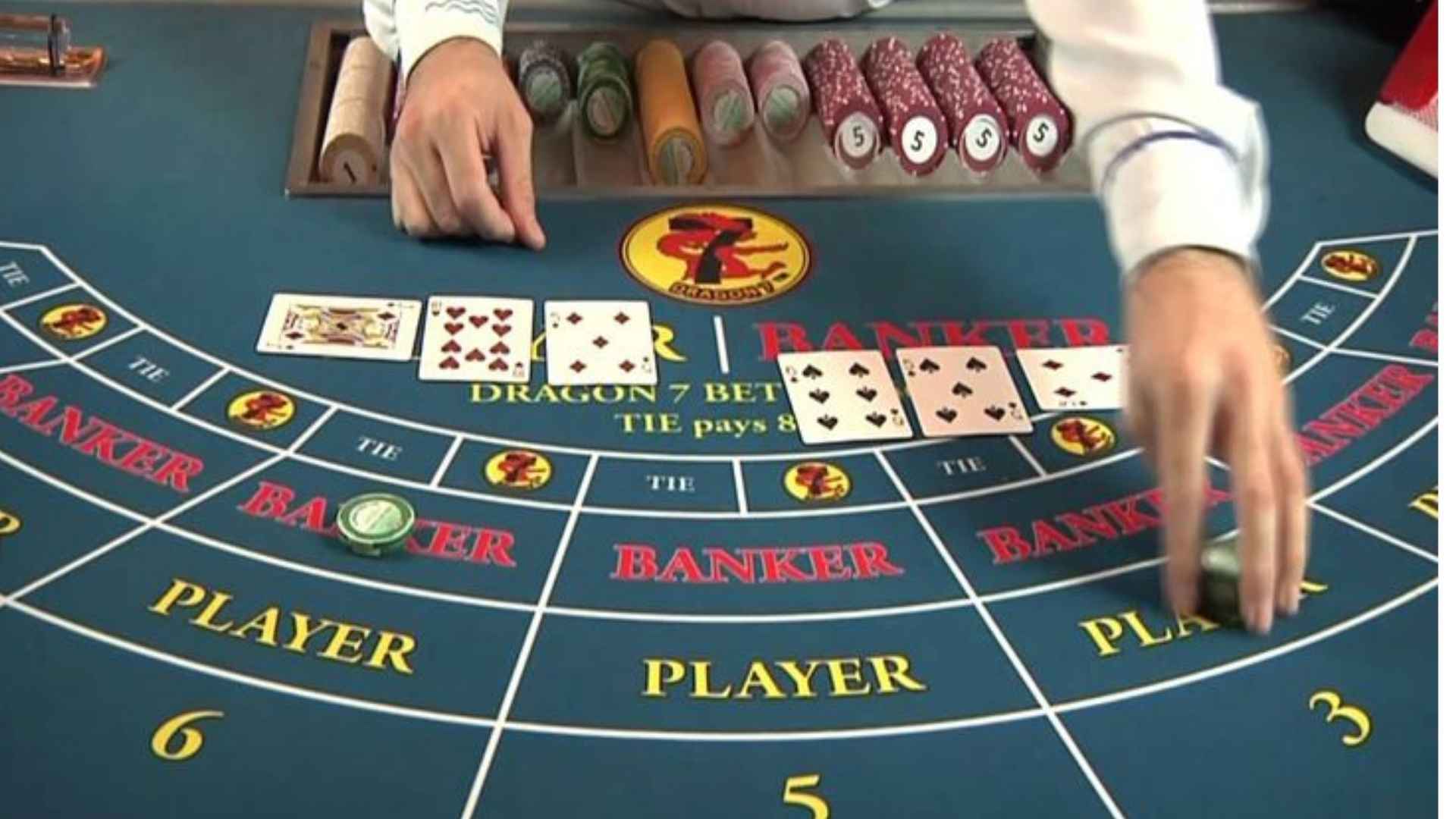
In high-stakes poker, players often encounter situations where decisions appear to be made instantaneously without conscious deliberation. These automatic poker decisions are driven by cognitive processes that transform complex calculations into swift, instinctive reactions. Understanding the psychology behind these sub-second choices reveals how experience shapes the brain's internal decision-making engine.
The Role of Heuristics in Rapid Decision Making
Experienced poker players rely heavily on cognitive heuristics, which function as mental shortcuts developed over thousands of played hands. These mental frameworks allow a player to immediately recognize recurring board textures and betting patterns without analyzing every variable from scratch. Consequently, intuitive choices often mirror the precision of deliberate, time-consuming mathematical calculations.
While heuristics streamline performance under tight time constraints, they also introduce subtle cognitive risks. Over-reliance on mental shortcuts can cause a player to overlook unique details in an opponent's behavior or dynamic table context. Balancing rapid intuition with occasional active deliberation remains essential for maintaining long-term tactical accuracy.
Pattern Recognition and Subconscious Processing
The human brain excels at identifying subtle environmental signals and storing them as recognizable patterns for future use. In a live or online card session, subconscious processing evaluates pot odds, stack sizes, and positional dynamics before the conscious mind fully registers the situation. This subconscious synthesis allows skilled competitors to fold or raise almost automatically when standard conditions are met.
Many players refine their subconscious pattern recognition by reviewing past hands and exploring modern digital platforms via boss29 login to gain analytical exposure. Exposure to diverse strategic scenarios conditions the mind to react instinctively when familiar setups reemerge at the table. Over time, deliberate practice turns once-complex strategic concepts into effortless mental habits.
Managing Cognitive Load During Extended Sessions
Mental fatigue gradually degrades a player's capacity for deep, analytical thought as table hours accumulate. Automatic decisions conserve vital mental energy by transferring routine actions away from the high-effort prefrontal cortex. By automating standard plays, competitors reserve their maximum cognitive power for highly complex, non-standard tournament spots.
However, running on cognitive autopilot for extended periods can leave a player vulnerable to rigid and predictable playstyles. Adaptable opponents quickly notice when someone is making mechanical moves without adjusting to changing game flow. Successful players periodically reset their focus to ensure that automatic habits remain aligned with overall strategic goals.
Overcoming the Pitfalls of Mindless Habits
An automatic decision is only as reliable as the underlying training that created the impulse in the first place. Bad habits formed through unexamined gameplay can become deeply ingrained sub-conscious reactions that lead to persistent leaks. Correcting these flawed instincts requires deliberate off-table study to systematically re-wire automatic responses.
Refining one's default choices ensures that high-speed reactions remain rooted in sound strategic principles rather than emotional impulses. When players continuously audit their default plays, their automated decisions remain sharp, efficient, and consistently profitable. Ultimately, mastering automatic poker choices bridges the gap between raw analytical knowledge and fluid execution.