Recent Post
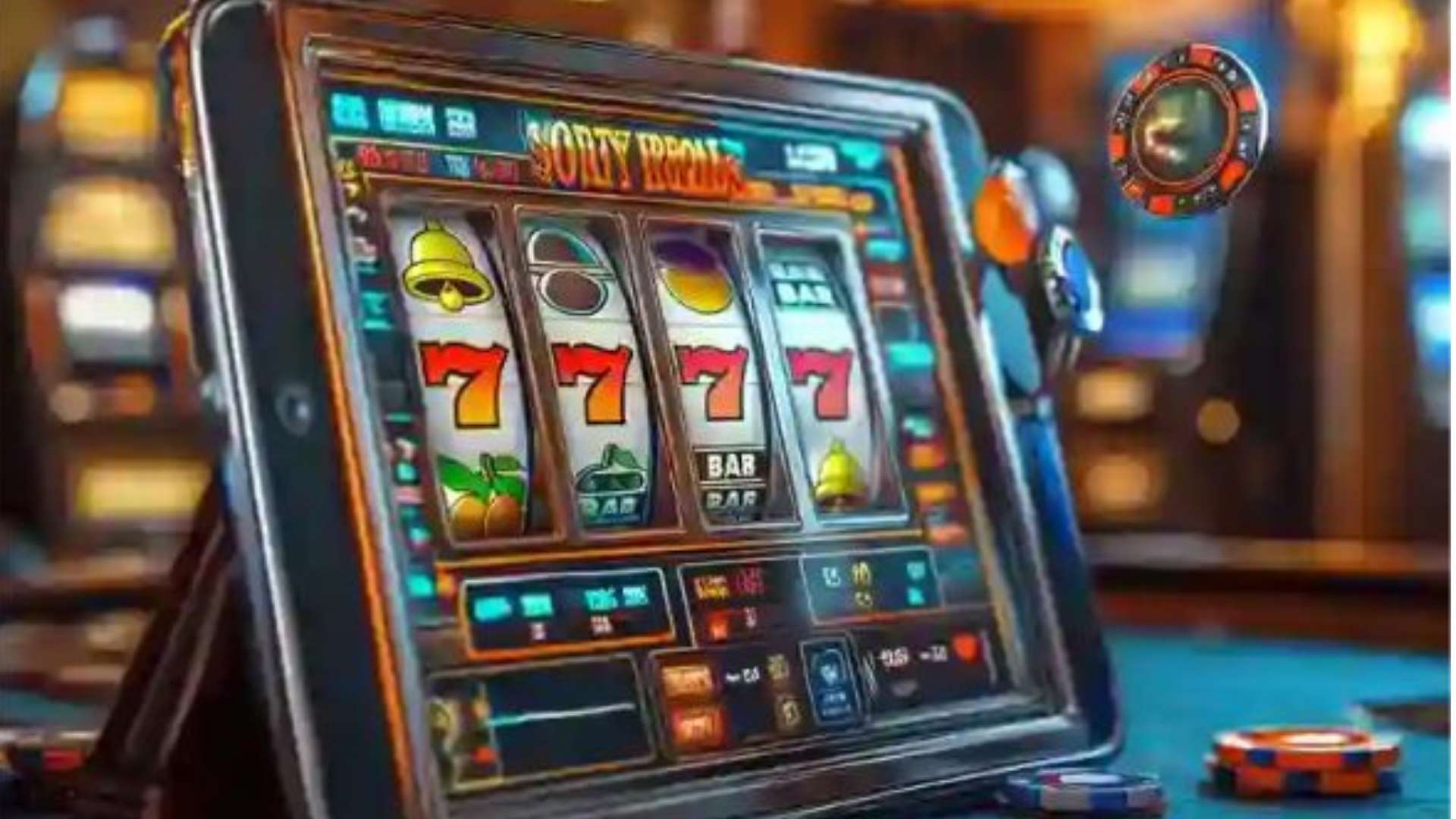
Mobile Card Games with Reward Systems ...
The global rise of portable gaming has transformed how players interact with traditional card mechanics on their smartphones. Modern developers heavily rely on sophisticated incentive structures to maintain long-term user engagement and satisfaction. By offering tangible progression milestones, these mobile card games provide a fulfilling loop that keeps players returning daily.
The Psychology Behind Digital In-Game Rewards
In-game incentives tap directly into human psychology by triggering dopamine responses during milestone achievements. Players feel a distinct sense of accomplishment when their strategic victories are met with virtual currency or rare cards. This psychological loop successfully builds long-term loyalty and encourages deep familiarity with the gaming software.
Furthermore, well-designed systems ensure that players feel their spent time is consistently respected and valued. Strategic elements are enhanced when users can predict their potential progression paths over weekly gameplay sessions. Exploring specialized platforms like the M88 portal can offer additional insights into modern interactive systems and engagement tools.
Categorizing Diverse Progression Systems
Mobile card architectures typically utilize multiple tiers of collection mechanics to satisfy different player demographics. Daily login bonuses offer simple incentives for casual users who possess limited free time throughout the day. Meanwhile, complex multi-stage seasonal passes cater directly to hardcore enthusiasts looking for deeper tactical challenges.
Milestone reward structures also encourage players to experiment with highly unconventional deck strategies. By completing highly specific gameplay missions, users unlock specialized aesthetic upgrades and card variants. This multi-layered approach keeps the local metagame dynamic and prevents tactical strategies from becoming stagnant.
Balancing Free Rewards with Fair Competition
Maintaining equilibrium between paying consumers and free-to-play participants remains a primary challenge for modern studios. Generous distribution of basic resources ensures that non-paying players can still participate competitively on ranked ladders. When a game offers fair alternative routes to top-tier card content, the entire player community becomes healthier.
Transparency regarding item drop rates further reinforces user trust and establishes long-term platform credibility. Clear progression tracks allow tactical gamers to map out their resource investments months in advance. Ultimately, sustainable reward design prioritizes mechanical skill expression over simple financial investment.
Future Trends in Mobile Engagement
The landscape of mobile card incentives continues to evolve alongside shifting consumer expectations. Future systems will likely emphasize hyper-personalized progression tracks tailored directly to individual playstyles. This level of customization ensures that every unique participant receives items relevant to their favorite archetypes.
Community-driven rewards are also becoming increasingly prevalent in large-scale multiplayer card tournaments. Cooperating with guild members to achieve shared operational goals fosters robust social connectivity inside the software application. As technology advances, these rewarding loops will become even more seamless and tightly integrated into the core gameplay.
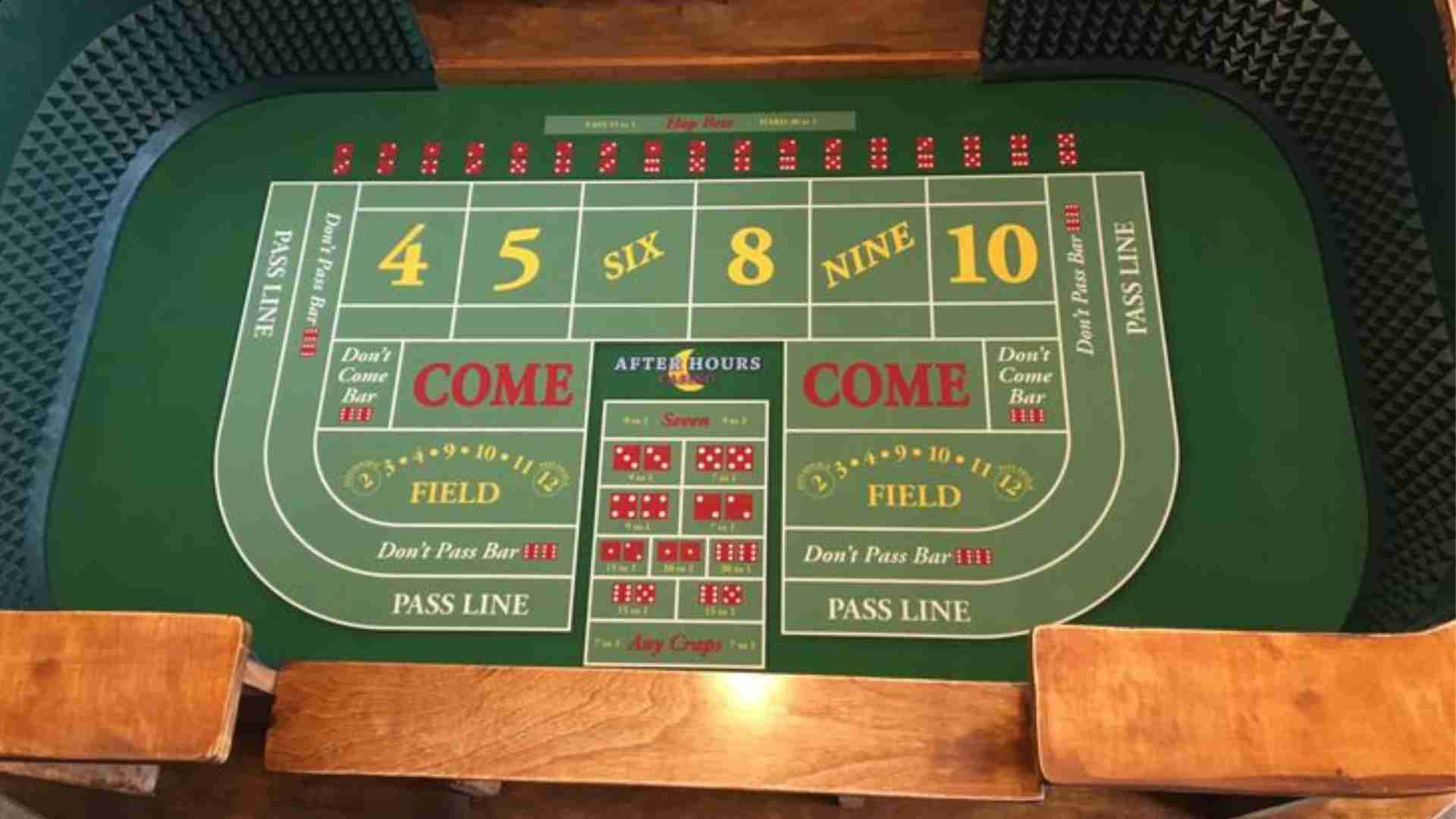
Can You Beat Craps with Strategy? ...
The lively energy surrounding a craps table often attracts casino enthusiasts who want to test their luck with the dice. While the game relies heavily on random outcomes, many players wonder if a structured approach can overcome the house advantage. Understanding how math dictates the table action is the first step toward determining if a system can actually guarantee long-term wins.
The Reality of the House Edge
Craps is designed around fixed mathematical probabilities that favor the casino over extended periods. Every single roll of the dice remains an independent event, meaning past results never influence future outcomes. Because of these physics, no betting system can mathematically alter the built-in edge that the house maintains on each specific wager.
However, players can choose options that offer exceptionally high value relative to other casino games. Wagers placed on the Pass Line or Don't Pass line carry a minimal house advantage of roughly 1.4 percent. By focusing exclusively on these low-variance options, participants can effectively prolong their sessions and maximize their overall entertainment value.
Maximizing Value with Odds Bets
Once a point number is established by the shooter, players have the unique opportunity to back their original stakes. These supplementary choices are widely celebrated because they are paid out at true mathematical odds. This means the casino holds zero statistical advantage over the participant on this specific portion of their capital.
Utilizing this option correctly allows players to lower the blended house edge of their total active capital. For enthusiasts seeking to practice these statistical adjustments in a secure digital environment, finding a reputable portal like M88 provides an ideal training ground. Sticking to these fundamental mechanics remains far more productive than chasing complex progression systems.
The Pitfalls of Progression Systems
Many gaming systems rely on adjusting wager sizes based on whether the previous roll resulted in a win or a loss. The famous Martingale strategy, for example, demands that players double their bets after every loss to reclaim their funds. While this seems logical in theory, a prolonged cold streak can rapidly deplete an entire bankroll.
Table limits established by casinos also prevent these aggressive progression strategies from succeeding over long sessions. Eventually, the required bet size will exceed the maximum allowed limit, leaving the player unable to recoup losses. True success at the table relies on accepting variance rather than attempting to force a win through escalating stakes.
Smart Tactical Frameworks for Players
A sustainable approach to craps emphasizes strict capital management and realistic session goals rather than magical rolling formulas. Setting clear limits on how much you are willing to lose ensures that emotional decisions do not dictate your behavior. Walking away after hitting a predetermined profit target is the only real way to beat the house layout consistently.
It is equally important to avoid high-payout proposition bets located in the center of the craps felt. While a high multiplier looks attractive, these specific choices carry a massive house advantage that drains chips quickly. Sticking to disciplined, conservative choices gives you the absolute best mathematical chance to finish a session ahead.

Essential Probability Skills for Beginners ...
Probability is a fundamental concept that influences numerous aspects of daily decision-making, from predicting the weather to assessing financial risks. For individuals stepping into this field, mastering the core rules of chance can significantly improve logical thinking and analytical capabilities. Developing a strong grasp of these concepts allows beginners to evaluate uncertain situations with greater objectivity and confidence.
Understanding the Foundation of Randomness
At the baseline of mathematical uncertainty is the concept of independent and dependent events. An independent event is one where the outcome does not affect subsequent occurrences, such as repeatedly tossing a coin. Grasping this distinction prevents newcomers from falling into common logical fallacies regarding predictability.
Many digital platforms employ complex calculations to ensure that their systems mirror real-world mathematical odds accurately. When learning how these modern algorithms function, utilizing a reputable platform like M88 can offer an interactive way to witness statistical principles in real time. Observing these automated models provides practical insight into how true randomness operates across modern digital frameworks.
Calculating Basic Odds and Likelihood
Another vital competency involves learning how to express the likelihood of an event as a fraction, decimal, or percentage. The probability scale always ranges from zero, indicating an impossible outcome, to one, which signifies absolute certainty. Practicing simple calculations with dice or colored marbles helps build an intuitive understanding of these numerical ratios.
Understanding mathematical likelihood also assists in evaluating the potential risks associated with various daily activities. By identifying the ratio of favorable outcomes compared to total possible results, individuals can make more calculated choices. This skill serves as a gateway to advanced fields like data science, behavioral economics, and strategic business forecasting.
Distinguishing Between Luck and Strategy
Beginners frequently struggle to recognize where pure chance ends and personal capability begins to influence an outcome. While certain events rely entirely on random variables, many scenarios allow individuals to mitigate risks through deliberate planning. Discerning the difference between these two components is essential for maintaining realistic expectations in unpredictable environments.
Cultivating a strategic mindset requires consistent observation and the tracking of historical information over extended periods. By studying previous results, you can better anticipate structural variations and adjust your approach systematically. Ultimately, mastering foundational probability skills empowers beginners to navigate a complex, data-driven world with clarity and purpose.

Scratch Cards That Feature Lucky Numbers ...
Scratch cards that feature lucky numbers have always held a unique position in the world of casual gaming. By combining the immediate gratification of a scratch-off ticket with the deeply rooted cultural fascination with numerical symbols, these games provide an instantly recognizable form of entertainment. For many participants, uncovering a personal birthdate or a globally recognized symbol of prosperity adds a layer of emotional resonance to an otherwise random process.
The Psychological Appeal of Numerical Symbols
Human psychology is naturally wired to search for meaningful patterns and connections within random sequences of digits. When players choose scratch cards that focus heavily on lucky configurations, they often experience a heightened sense of anticipation and personal connection. This cognitive phenomenon transforms a standard probability matrix into an engaging interactive milestone that feels far more individualized.
Furthermore, various cultures assign distinct values to specific digits, viewing them as harbingers of financial growth or universal harmony. Integrating these established numerical traditions into quick-play platforms bridges the gap between ancient superstitions and contemporary digital design. Players find comfort in interacting with symbols that carry historical weight and positive cultural definitions.
How Game Developers Integrate Popular Digits
Modern gaming software providers carefully select specific digits to serve as the core mechanics for instant-win designs. Numbers like seven, eight, or three frequently appear as the primary targets that participants must reveal to unlock prize tiers. This conscious design choice ensures that the user interface feels instantly familiar and engaging from the very first interaction.
In digital layouts, these target values are often highlighted with specialized animations or glowing visual effects to emphasize their importance. If you are looking to explore premium digital designs that feature these engaging setups, visiting a reputable platform like M88 can offer an excellent variety of high-quality titles. These contemporary configurations successfully preserve the nostalgic charm of classic paper tickets while optimizing performance for mobile devices.
Balancing Random Probability with Personal Choices
It is crucial for enthusiasts to recognize that all scratch card games rely entirely on predetermined algorithmic randomness to ensure fairness. While choosing a ticket filled with personal favorites can heighten your overall enjoyment, it does not mathematically alter the underlying probability structure of the game. Every single virtual uncover remains completely independent of previous results, establishing an equal playing field for everyone involved.
Understanding this balance allows participants to maintain realistic expectations while fully enjoying the thematic elements of their sessions. Viewing these numerical themes as a form of creative entertainment rather than a guaranteed financial strategy promotes a healthy relationship with gaming. This logical perspective ensures that the fast-paced nature of the gameplay remains fun and entirely stress-free over time.
The Evolution of Numerical Themes in Digital Gaming
The transition from physical cardboard to virtual interfaces has allowed developers to expand how numerical symbols are utilized within casual platforms. Modern games often feature complex multi-layered matrices where matching specific sequences triggers interactive bonus rounds or secondary prize draws. This technological evolution introduces a compelling narrative progression that keeps simple mechanics from feeling repetitive.
As creative software continues to advance, the integration of traditional iconography with innovative mathematical models will likely grow even more sophisticated. These ongoing improvements guarantee that scratch cards focusing on special digits will remain a dominant preference for audiences worldwide. Ultimately, the timeless connection between human curiosity and numerical meaning ensures the enduring popularity of this casual gaming format.

Lucky Draw Benefits for Regular Participants ...
Lucky draw events have evolved from simple promotional gimmicks into structured engagement systems that offer tangible advantages to loyal users. While occasional players rely strictly on random fortune, individuals who participate consistently discover a distinct layer of structured value. Understanding how these recurring systems reward dedication can completely reshape your perspective on modern digital entertainment platforms.
The Value of Consistency and Loyalty Incentives
Many modern promotional systems are structured to recognize and incentivize ongoing activity within their ecosystems. Frequent engagement often unlocks premium tiers or extra ticket allocations that naturally shift the statistical balance over time. For instance, active members utilizing platforms like M88 frequently receive milestone bonuses and exclusive entry options that standard users cannot access.
These loyalty structures ensure that your presence on a platform translates into ongoing promotional equity. Regular check-ins and sustained platform utilization create a compounding cycle of promotional opportunities. Consequently, dedication becomes a measurable factor that enhances the overall user experience.
Sustained Entertainment and Group Engagement
Participating in routine giveaways establishes a reliable sense of anticipation and regular entertainment within digital communities. Rather than focusing solely on a singular grand prize, consistent players enjoy a steady stream of smaller milestone events. This ongoing cycle helps build strong social connections among community members who share similar interests.
Shared experiences during live drawings or winner announcements foster a welcoming environment for all community members. This communal aspect adds a layer of interactive entertainment that goes far beyond the core promotional mechanics. Over time, the social bonds formed through these recurring events become just as valuable as the rewards themselves.
Developing Long-Term Campaign Strategies
Frequent participants often develop a deeper understanding of how modern promotional systems allocate entry pools. By analyzing recurring patterns and entry structures, individuals can make much more informed decisions about where to distribute their promotional tokens. This balanced approach removes much of the guesswork typically associated with randomized prize distributions.
Tracking seasonal trends and platform updates allows savvy users to maximize the utility of every single submission. This deliberate method transforms an otherwise passive activity into a engaging and thoughtful pursuit. Ultimately, a structured approach helps users maintain realistic expectations while fully enjoying the promotional process.
Accessing Specialized Secondary Prize Tiers
Grand prizes naturally capture the most public attention, but the true value for recurring users often resides in lower placement brackets. Multi-tiered prize structures ensure that small rewards, digital credits, and exclusive merchandise are distributed regularly to active user groups. These secondary tiers are specifically designed to provide consistent reinforcement to the core user base.
Accumulating minor rewards over an extended period can lead to significant value without requiring top-tier placement. This balanced distribution model keeps the entire ecosystem healthy, transparent, and rewarding for every level of participant. Therefore, regular involvement remains a practical way to gather ongoing utility from your preferred digital platforms.
Keno Strategies for Small Budgets ...
Keno is a fascinating and fast-paced game that appeals to many because of its simplicity and the potential for significant returns. While it is predominantly a game of chance, players can still employ smart tactics to maximize their playtime without overspending. Managing a modest bankroll effectively ensures that the entertainment value remains high while financial risks stay low.
Setting a Strict Session Budget
Before selecting any numbers, it is essential to determine exactly how much money you are willing to spend during your session. Dividing your total funds into smaller units per game prevents you from exhausting your bankroll too quickly. This disciplined approach keeps your gaming experience relaxed and entirely under control.
Sticking to your predetermined limits is the most reliable way to enjoy lottery-style games over the long term. Many experienced players track their wins and losses to maintain a clear picture of their overall spending habits. By treating your budget as a fixed entertainment expense, you remove the stress often associated with casino games.
Choosing Fewer Spots for Extended Play
In keno, selecting fewer numbers, or spots, can be an excellent way to stretch a limited budget. Picking around three to five numbers generally offers better odds of catching a winning combination compared to choosing the maximum allowed. This method helps maintain a steady flow of smaller payouts to keep your bankroll active.
While hitting a massive jackpot requires catching ten or more numbers, the probability of doing so is incredibly low. Focusing on smaller spot games allows casual players to experience the thrill of winning more frequently. It is a practical approach that balances risk and reward perfectly for budget-conscious individuals.
Finding Games with Low Minimum Bets
Online platforms often provide much more flexible wagering options than traditional brick-and-mortar establishments. Finding digital platforms like M88 that offer low minimum bets per ticket allows you to participate in many more rounds. This significantly increases your entertainment time without requiring a massive upfront financial commitment.
Lower stakes mean you can experiment with different number selections and enjoy the pace of the game safely. Many digital gaming sites also feature various versions of the game with unique paytables that favor small stakes. Exploring these options helps you find the specific variant that aligns best with your financial boundaries.
Avoiding the Temptation to Chase Losses
One of the most important aspects of playing on a budget is accepting that losing streaks are a natural part of the game. Attempting to recover lost funds by suddenly increasing your bet size usually leads to deeper financial issues. Maintaining a flat betting structure ensures that your small budget remains protected throughout the session.
If your budget for the day runs out, the smartest choice is always to step away and try again another time. Keno should always be viewed as a form of casual entertainment rather than a reliable method for generating income. Staying disciplined ensures that the game remains fun and completely stress-free.
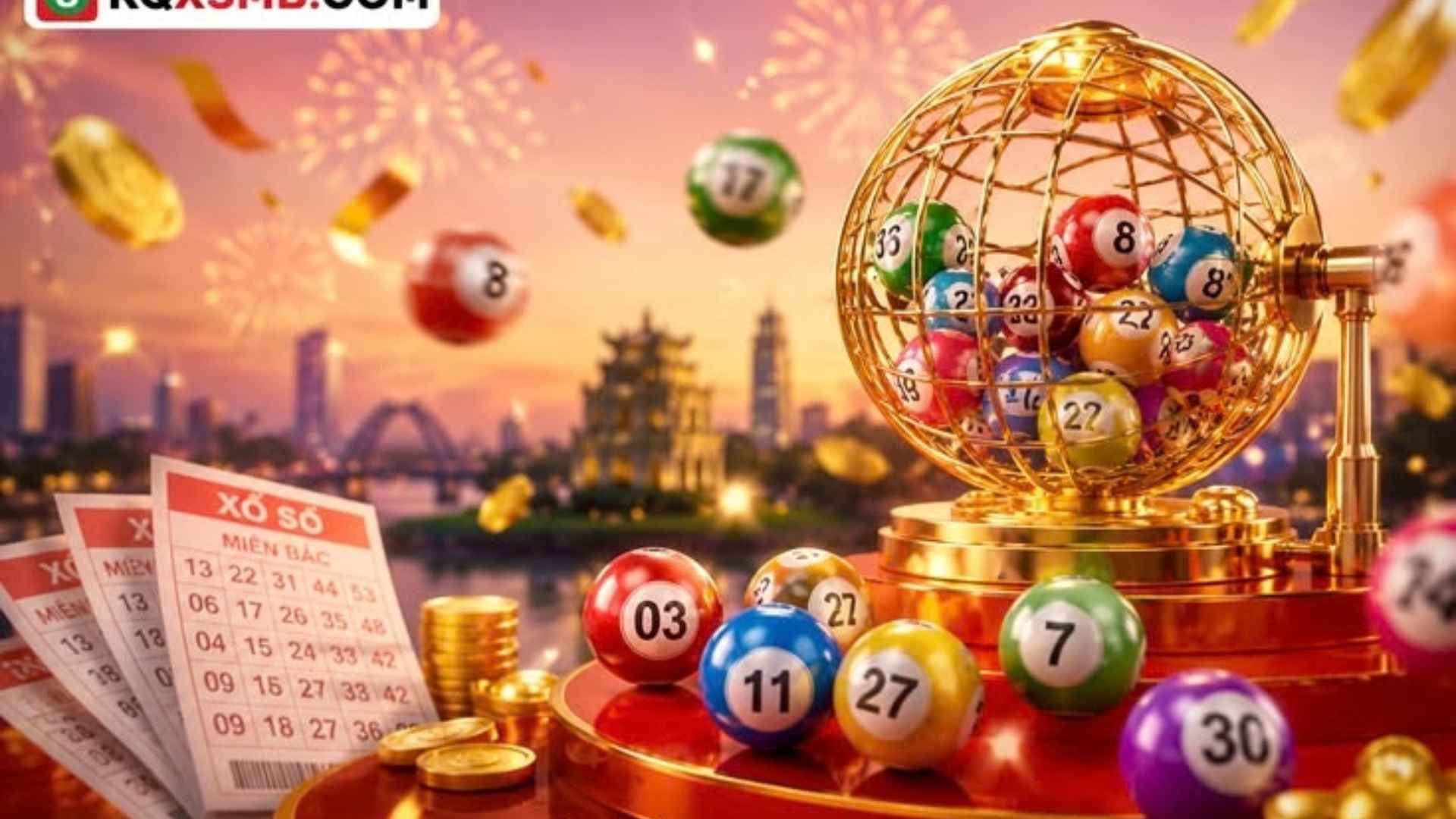
Understanding Points Systems in Rummy Tournaments ...
Participating in competitive card games requires more than just knowing how to form sequences and sets. In a structured environment, understanding how scores are calculated can make the difference between an early exit and a victorious run. Points systems in rummy tournaments dictate player behavior, shaping every strategic decision from the opening draw to the final discard.
The Core Mechanics of Rummy Scoring
In most tournament formats, cards carry specific point values that accumulate when players fail to meld them. Face cards and aces typically account for ten points each, while numbered cards carry their face value. The player who successfully declares their hand first receives zero points, leaving opponents to tally their unmatched cards.
This fundamental scoring dynamic shifts the strategic focus from simply winning a hand to minimizing potential damage. Players must constantly evaluate the point burden of their unarranged cards to avoid heavy penalties. Understanding these basic values is essential before entering any competitive arena where every single point impacts your standing.
How Tournament Formats Influence Points
Different tournament structures utilize points in unique ways to determine player progression. In pool rummy tournaments, players are eliminated once they reach a predetermined point threshold, such as 101 or 201 points. This format rewards defensive play, as survival depends on keeping your cumulative score as low as possible over multiple deals.
Conversely, point-based sprint tournaments require a highly aggressive approach to maximize score accumulation within a set number of rounds. Familiarizing yourself with these rules on established platforms like the M88 network can help you adapt your playstyle to match the tournament format. Knowing whether to play defensively or push for a quick declaration is key to mastering these diverse structures.
The Strategic Value of the Drop Option
One of the most critical decisions a tournament player faces is deciding when to drop out of a deal. Most points systems allow players to drop early for a minor, fixed penalty rather than risking a much larger score with a bad hand. A middle drop, which occurs after drawing at least one card, carries a slightly higher penalty but still protects players from a maximum point loss.
Consistently utilizing the drop option requires disciplined risk assessment and a deep understanding of card probability. Accepting a small, predictable penalty preserves your overall tournament standing and keeps you competitive in later rounds. Experienced players view dropping not as a sign of defeat, but as a tactical tool to manage their tournament life.
Calculating Penalties and Maximum Limits
To prevent a single disastrous round from completely ruining a player's tournament prospects, most systems implement a maximum point cap. This cap ensures that even if a player is caught with a completely unformed hand, their penalty is limited to a fixed maximum, often set at eighty points. Knowing this limit allows players to make calculated gambles when they are close to completing high-value melds.
Analyzing the relationship between potential rewards and maximum penalties is a hallmark of advanced tournament strategy. When the risk of a heavy penalty is capped, players can occasionally afford to hold onto high cards in hopes of securing a swift victory. Balancing this risk against the current leaderboard standings is crucial during the final stages of a competition.

Wheel of Fortune for Casual Gaming Fans ...
For individuals seeking a relaxed gaming experience, wheel-based puzzle challenges offer the perfect escape from high-stress environments. These games combine the thrill of anticipation with the calming process of solving word puzzles at a comfortable pace. Because they do not require intense reflexes or hours of dedication, they have become a staple for players who value pure entertainment.
The Charm of Low-Pressure Puzzle Solving
Unlike highly competitive titles that demand complete focus and complex strategies, casual spin games focus on simple joy and accessibility. Players can engage with familiar word structures and letter patterns without worrying about harsh penalties or failing a level permanently. This gentle design makes it incredibly easy to unwind after a long day of work or study.
Additionally, the low-threshold entry point ensures that players of all ages and backgrounds can join the fun immediately. The familiar format provides a sense of comfort while still keeping the brain active and healthy. It offers a balanced mental workout that feels rewarding without ever becoming tedious or stressful.
Seamless Mechanics Designed for Quick Fun
One of the greatest advantages of modern casual games is their ability to fit into brief moments of free time. Whether you have five minutes during a commute or an hour before bed, the quick-round format is incredibly accommodating. You can easily start a game, spin the colorful wheel, and solve a few quick puzzles whenever you choose.
The feedback loop in these games is engineered to be exceptionally satisfying through delightful animations and bright sound effects. Every correct letter guessed brings a small burst of encouragement that keeps the momentum going forward. This combination of simple mechanics and visual rewards creates a highly engaging loop that feels fresh every time.
Cultivating a Relaxing Gaming Environment
A major draw for casual gaming fans is the lack of real-world stakes, which allows players to focus entirely on the psychology of risk and reward. Cozy aesthetics, peaceful backgrounds, and beautiful color palettes further enhance the soothing atmosphere of these virtual spaces. The goal is to establish a welcoming haven where players can contemplate their next move in complete peace.
For those looking to transition this casual fun into varied formats, finding an adaptable platform is key to enjoying different game variants. Many enthusiasts explore reputable online options like M88 to experience diverse wheel-based layouts and interface styles. Engaging with various designs helps players discover which visual elements and game speeds suit their personal preferences best.
Strategies for Gentle Progression
Even in a relaxed setting, adopting a minor strategy can elevate your enjoyment and help you progress through puzzles more efficiently. Focusing on common consonants and buying vowels at key moments remains an excellent way to clear boards steadily. These simple techniques require very little effort but provide a satisfying sense of mastery over time.
Ultimately, the beauty of these casual spin games lies in their ability to adapt completely to the lifestyle of the player. By prioritizing fun and personal comfort over intense competition, they deliver a timeless experience that anyone can enjoy. Embracing this relaxed style of play ensures that every session leaves you feeling refreshed and entertained.

The Fun of Opening a Mystery Box ...
The modern shopping experience has evolved from a simple transaction into a form of active entertainment. One of the most prominent examples of this shift is the global craze surrounding surprise packages, where buyers purchase an assortment of items without knowing the contents beforehand. The widespread appeal lies not just in the items themselves, but in the unique emotional journey that accompanies the unboxing process.
The Psychology of Anticipation and Discovery
The human brain is naturally wired to respond to uncertainty with a heightened sense of focus and emotional investment. When a consumer holds a sealed package, the period of anticipation triggers a natural release of dopamine that makes the moment feel genuinely thrilling. This internal excitement is often more satisfying than standard retail methods, turning a simple product reveal into a memorable personal event.
Furthermore, the element of surprise reintroduces a sense of playfulness into adult consumer habits that is often missing from everyday life. People enjoy the genuine curiosity of testing their luck and seeing what kind of unique items they might uncover. It provides a brief but intense escape from routine decision-making, allowing individuals to enjoy the sheer fun of unexpected outcomes.
How Shared Experiences Build Communities
The joy of unboxing is rarely a solitary event anymore, as digital platforms have allowed enthusiasts to share these moments with a global audience. Millions of people regularly tune in to watch creators open packages, creating a shared sense of vicarious thrill and interactive engagement. This communal interest turns an ordinary purchase into a focal point for digital discussion, storytelling, and collective entertainment.
This growing culture has introduced many modern consumers to new forms of interactive hobbies and gaming platforms. For instance, individuals looking for trusted digital recreation often explore established destinations like M88 to satisfy their desire for dynamic entertainment options. The shared enthusiasm across various communities ensures that the trend continues to grow and capture public attention globally.
Finding True Value Beyond the Price Tag
Many critics wonder why individuals choose hidden assortments over picking specific items directly from a store shelf. The answer usually lies in the curated nature of these packages, which frequently feature rare items or exclusive collaborations that are difficult to find elsewhere. Collectors view these packages as a unique opportunity to expand their collections with pieces they might not have actively sought out on their own.
Additionally, the financial aspect is often structured to ensure that the total retail value of the items matches or exceeds the initial cost. This balanced value proposition gives shoppers the confidence to participate without feeling like they are making a reckless financial decision. When the contents are thoughtfully selected by reliable brands, the unboxing experience delivers both practical utility and emotional satisfaction.
Best Practices for Enjoying the Trend Safely
To maximize the enjoyment of this interactive retail hobby, consumers should always approach purchases with a mindful and informed strategy. It is highly beneficial to research the specific seller thoroughly to ensure authenticity, positive customer reviews, and clear odds regarding potential item distributions. This simple step helps manage personal expectations and protects buyers from sudden online retail disappointments.
Setting a definitive personal budget also guarantees that the experience remains an entertaining activity rather than an impulsive spending habit. Recognizing that the primary value comes from the entertainment of the reveal allows individuals to enjoy the outcome regardless of what is inside. By maintaining a balanced perspective, exploring these packages continues to be a joyful and refreshing addition to modern lifestyle routines.
Bridge Games for Competitive Players ...
The arena of competitive contract bridge demands a unique blend of razor-sharp analytical thinking, psychological stamina, and flawless partnership chemistry. Unlike casual social games, tournament environments test a player's ability to operate under intense pressure where every single convention matters. Elevating your performance from a hobbyist to a serious contender requires a systematic approach to both bidding theory and defensive card play.
Mastering Complex Bidding Systems
In competitive tournament circles, standard bidding sequences rarely suffice to capture the true nuances of an complex hand. Advanced players implement highly specialized bidding conventions to establish exact card counts and point ranges with their partners. This systematic framework allows partnerships to accurately locate micro-fits and avoid disastrously over-bidding weak distributions.
Developing an ironclad partnership agreement is paramount since unexpected misunderstandings often result in costly point penalties. Serious contenders dedicate dozens of hours to studying defensive bidding interventions to disrupt their opponents' natural communication channels. Many elite competitors routinely consult professional analytical resources like M88 link alternatif to optimize their tactical approach and evaluate historical hand outcomes under tournament conditions.
Refining Declarer Technique and Table Logic
Once the auction finishes and the opening lead is placed, a skilled declarer must immediately formulate an exhaustive plan for the entire hand. Instead of rushing to win the opening trick, elite tournament players spend several minutes analyzing the defenders' potential card distributions based on the bidding history. This initial calculation helps locate safe entries and avoid early defensive traps.
Advanced declarer play relies heavily on counting techniques, forcing the player to track all remaining cards in every suit continuously. Successful competitors master the art of the finesse, card placement tracking, and complex endplays to squeeze extra tricks out of seemingly mediocre contracts. Maintaining deep focus during these multi-layered calculations separates consistent podium finishers from the rest of the field.
The Psychology of Tournament Defending
Defending against an aggressive contract is widely recognized as the most punishing aspect of high-level duplicate bridge matches. Since you can only see your own cards and the dummy, you must rely on precise signaling conventions to share critical information with your partner. Every card played serves as a specific message regarding your remaining length and honors holdings.
Tournament defense requires complete trust and absolute consistency, as a single misleading signal can dismantle a brilliant defensive strategy instantly. Elite pairs constantly practice keeping their composure even after a misplayed hand or an unlucky distributional break. True competitive longevity is achieved by maintaining psychological resilience across long, multi-session tournament schedules.
Semua artikel sudah ditampilkan.